
Types of Tennis Shots and Strokes Explained
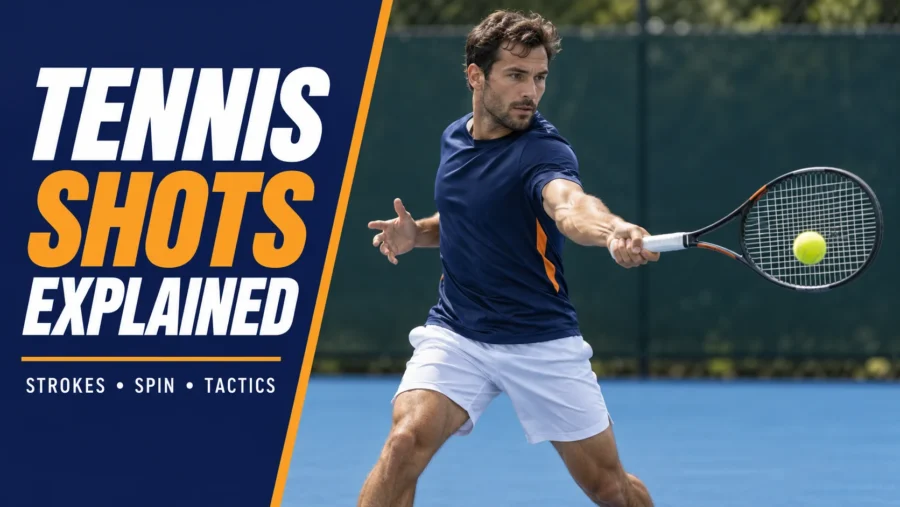
Tennis shots fall into a few practical families: serves start the point, returns answer the serve, groundstrokes are hit after …
This category focuses on the technical fundamentals of tennis. It covers stroke mechanics, footwork, grip changes, body positioning, and shot execution to help players build solid foundations and improve consistency, control, and efficiency on court.
Tennis shots fall into a few practical families: serves start the point, returns answer the serve, groundstrokes are hit after …
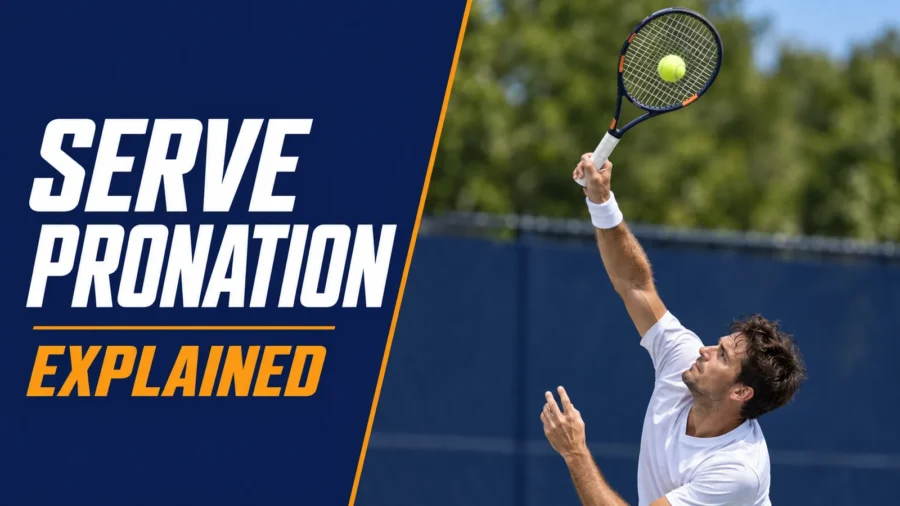
Pronation in a tennis serve is the inward rotation of the forearm that helps turn the racket from an edge-leading …

A tennis volley is a shot struck before the ball bounces. The reliable foundation is a continental grip, a compact …

Returning serve well is less about producing the biggest swing and more about buying enough time to make clean contact. …

An effective tennis serve combines a legal starting position, a repeatable toss, a coordinated upward swing, useful spin, intentional placement, …
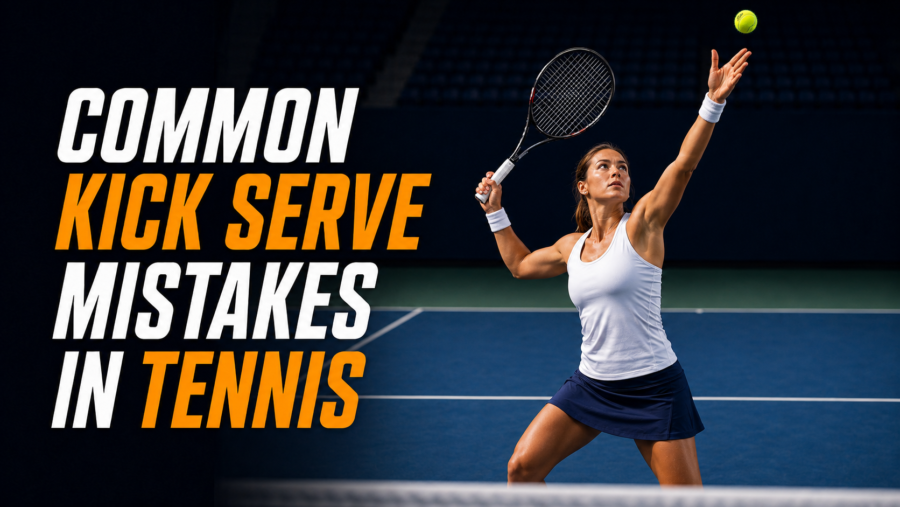
The kick serve is one of the most valuable serves in tennis because it provides spin, net clearance, and a …
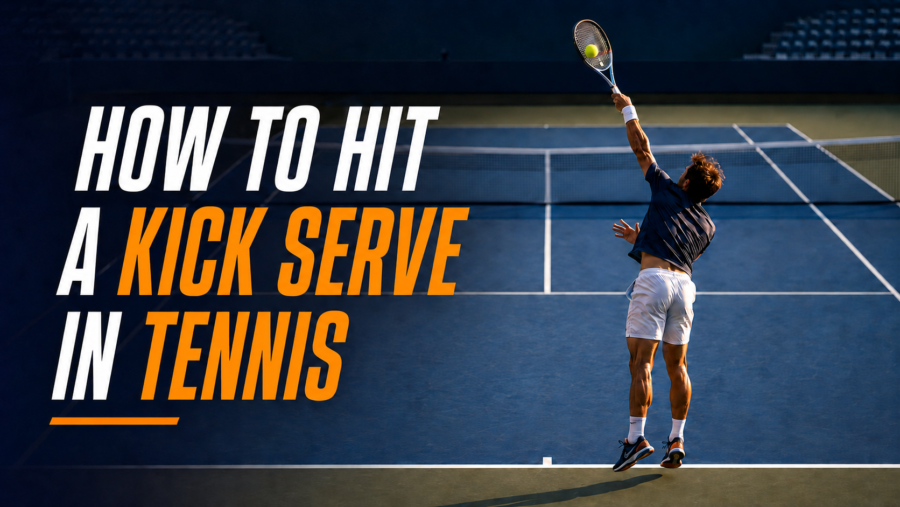
The kick serve is one of the most useful serves in tennis because it combines spin, control, and a high …

The slice serve is one of the most useful serves in tennis because it creates sideways movement and can pull …
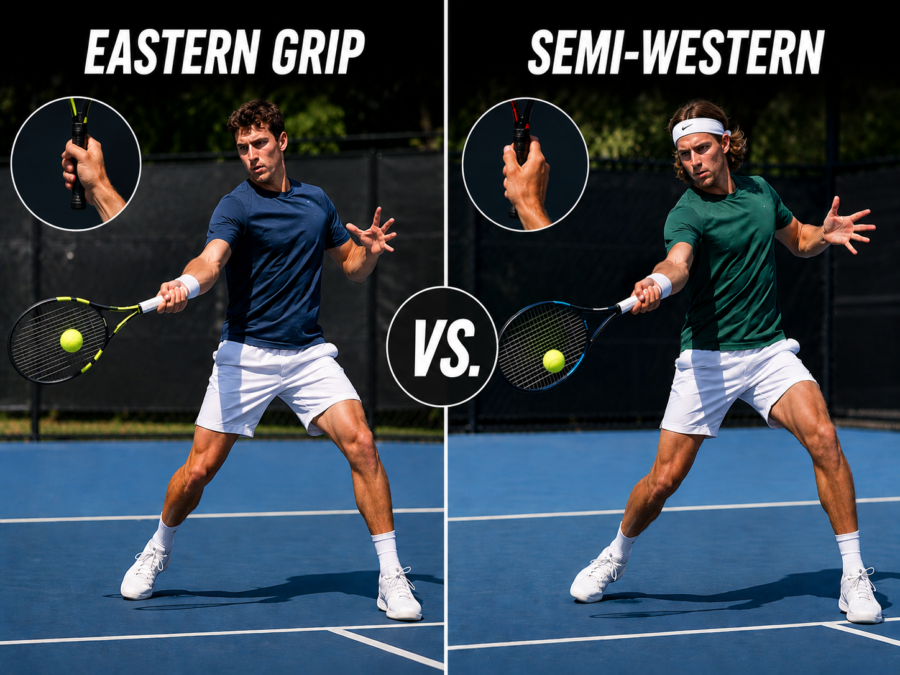
The forehand is the most important shot in modern tennis, and one of the biggest factors shaping a player’s forehand …

One of the key aspects of a successful match is a well-disguised serve. A player’s serve can often make or break …