
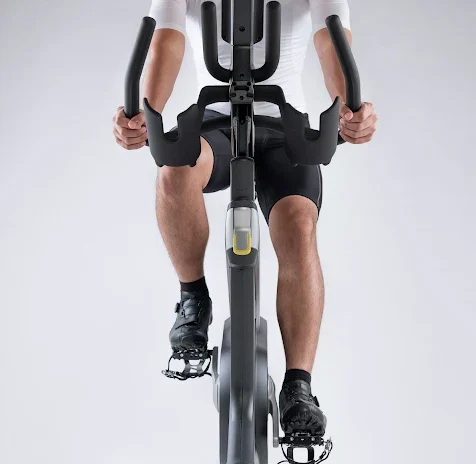
Most professional tennis players follow some form of recovery routine after training sessions or matches. These routines often include static stretching, cold showers, ice baths, and other recovery methods. One recovery activity that should not be overlooked is cycling, usually performed on a stationary bike.
Cycling offers multiple benefits for tennis players when it comes to recovery, including reduced muscle soreness and improved overall physical condition. But what exactly does cycling offer to tennis athletes?
Embed from Getty ImagesThe Importance of Post-Match Recovery
It is well known that intense physical activity, including tennis, places stress on the muscles and causes micro-damage. These damaged muscles need time to recover and restore their functionality.
While it might seem sufficient to simply rest and allow the body to recover on its own, the recovery process can be significantly accelerated through specific cardiovascular activities. This is why engaging in active recovery after intense exercise, such as a tennis match, is highly beneficial. But why cycling?
The Benefits of Cycling for Tennis Players
Cycling is a low-impact activity, meaning it places minimal stress on the joints and muscles compared to high-impact exercises such as treadmill running. It is also considered more suitable for tennis recovery than activities like swimming.
Cycling promotes blood circulation to the muscles, helping flush out lactic acid and other metabolic waste products that accumulate during a match. At the same time, it increases oxygen delivery to the muscles, supporting muscle repair and regeneration. Cycling also helps reduce DOMS (Delayed Onset Muscle Soreness) by gently activating the muscles and minimizing inflammation and stiffness.
When and How Do Tennis Players Cycle After a Match?
Most tennis players cycle immediately after a match or training session, or within one to two hours afterward, as part of their cool-down routine. Cycling is typically done at a moderate intensity for 20 to 30 minutes to avoid additional fatigue or overexertion.
Conclusion
During intense physical activity, the body produces lactic acid and other waste products while muscles undergo stress and micro-damage that require repair. Cardiovascular exercise such as cycling enhances blood flow to the muscles, helping remove waste products while delivering the oxygen needed for muscle recovery and regeneration. For this reason, incorporating cycling into post-match recovery routines can be highly effective and is strongly recommended for tennis players at all levels.