
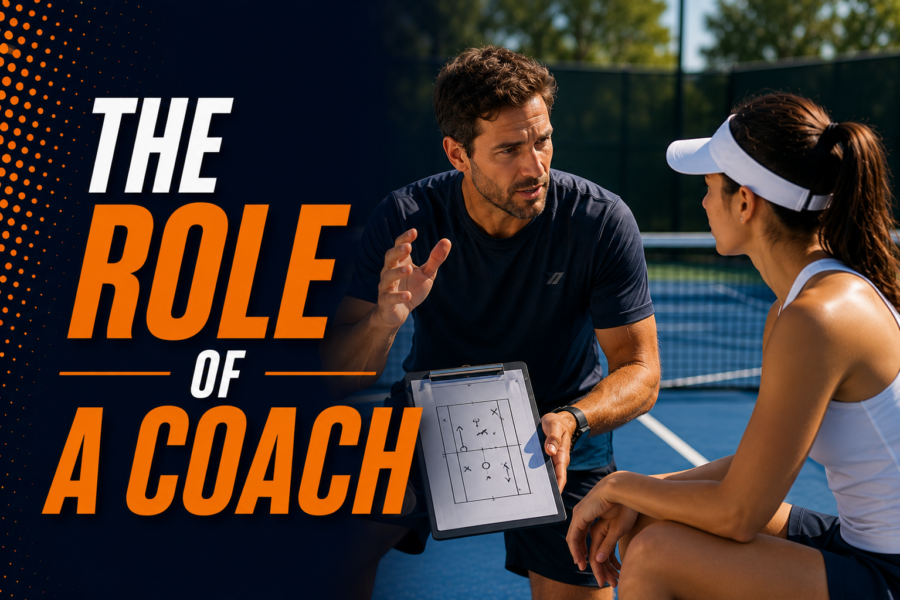
Whether in tennis, padel, or almost any other sport, a coach plays a much greater role than simply teaching technique. Great coaches help players develop the skills, confidence, and mindset needed to reach their full potential. They guide improvement, provide structure, and offer support through both successes and setbacks.
While every coach has their own style, the goal remains the same: to help players become better athletes while fostering a genuine enjoyment of the sport.
A Coach Is More Than a Teacher
Most people associate coaching with correcting technique. While this is certainly an important responsibility, it’s only one part of the job.
A good coach identifies a player’s strengths and weaknesses, creates a personalized development plan, and helps them improve step by step. They understand that every player learns differently and adapt their coaching methods to match each individual’s age, experience, personality, and goals.
Whether they’re working with a complete beginner or an elite competitor, coaches aim to build long-term improvement rather than looking for quick fixes.
Developing Technical Skills
One of a coach’s primary responsibilities is helping players develop sound technique.
Proper fundamentals make every aspect of the game easier. Coaches teach efficient movement, correct mechanics, and consistent shot production while helping players avoid habits that become difficult to change later.
As players improve, technical coaching becomes increasingly detailed. Small adjustments to timing, footwork, balance, or racket preparation can have a significant impact on consistency and overall performance.
Rather than simply telling players what to do, effective coaches explain why certain techniques work and how they can be applied during real matches.
Teaching Tactical Awareness
Technical ability alone rarely wins matches.
Players also need to understand strategy, positioning, shot selection, and decision-making. A coach helps players recognize patterns during rallies, identify opponents’ weaknesses, and make smarter choices under pressure.
In tennis, this may involve constructing points more effectively or learning when to attack and defend. In padel, coaches place additional emphasis on positioning, teamwork, communication, and making intelligent use of the glass.
As players gain experience, tactical coaching often becomes just as important as technical instruction.
Building Confidence
Improvement isn’t only physical.
Many players struggle with confidence, particularly after making mistakes or losing difficult matches. A coach helps players develop resilience by encouraging them to focus on learning rather than perfection.
Constructive feedback allows players to understand mistakes without becoming discouraged. Over time, this creates greater self-belief and helps players perform more consistently under pressure.
One of the most valuable qualities a coach can provide is confidence in a player’s ability to keep improving.
Keeping Players Motivated
Progress is rarely linear.
Every player experiences periods where improvement seems slow or results don’t match the effort they’re putting in. During these moments, motivation can begin to disappear.
A coach helps players stay committed by setting realistic goals, celebrating small improvements, and reminding them that long-term development takes patience.
Instead of focusing only on winning matches, great coaches encourage players to value consistency, effort, and continuous learning.
Creating Structured Development
Without direction, many players spend hours practicing without making meaningful progress.
A coach brings structure to training by deciding what should be practiced, when new skills should be introduced, and how improvement should be measured.
Each lesson builds upon previous sessions, creating a logical pathway from basic fundamentals to advanced techniques and tactics.
This structured approach helps players improve more efficiently while avoiding common mistakes that can slow development.
Supporting Players Beyond the Court
A coach’s influence often extends well beyond training sessions.
They may help players prepare mentally before important competitions, discuss nutrition and recovery, recommend equipment, or simply provide encouragement during challenging periods.
For younger athletes, coaches often become important mentors who teach discipline, respect, responsibility, and good sportsmanship alongside technical skills.
These life lessons frequently have a lasting impact that extends far beyond the sport itself.
Characteristics of a Great Coach
Although coaching styles differ, the best coaches tend to share several important qualities.
| Characteristic | Why It Matters |
|---|---|
| Communication | Explains ideas clearly and listens to players. |
| Patience | Allows players to develop at their own pace. |
| Knowledge | Understands technique, tactics, and player development. |
| Leadership | Creates a positive and motivating environment. |
| Adaptability | Adjusts coaching methods for different players. |
| Passion | Inspires players to enjoy learning and improving. |
These qualities often matter just as much as technical expertise.
Final Thoughts
The role of a coach goes far beyond teaching strokes or organizing practice sessions. A great coach acts as a teacher, mentor, strategist, motivator, and leader, helping players develop both on and off the court.
Whether you’re learning tennis or padel, the right coach can accelerate your improvement, build your confidence, and make the learning process far more enjoyable. While players are ultimately responsible for their own progress, a knowledgeable and supportive coach provides the guidance that turns potential into lasting improvement.