
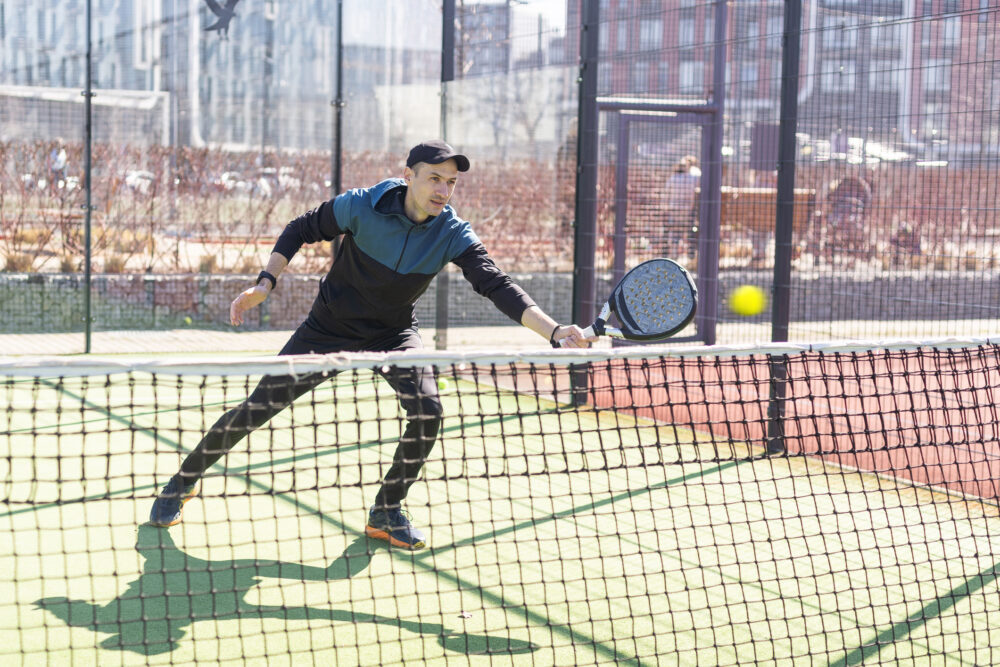
In recent years, padel has emerged as one of the fastest-growing sports in Europe. It is a hybrid sport that combines elements of tennis and squash, offering fun, intensity, and strong social interaction, which helps explain its rapid rise in popularity. One of padel’s biggest advantages is its accessibility. It is easy to learn, enjoyable from the very first session, and suitable for all ages and skill levels. This makes it especially attractive to people who may not have a strong sports background but still want a competitive and social activity.
Embed from Getty ImagesRapid growth across Europe
Padel was created in Mexico in the 1960s, but it was Spain that truly embraced the sport and turned it into a phenomenon. Today, Spain has more than 20,000 padel courts and millions of active players, making padel one of the country’s most popular sports. From there, the sport spread rapidly across Europe. Sweden experienced an explosive padel boom over the last decade, while Italy, Belgium, France, and the Netherlands have also seen a steady rise in participation and court construction.
This growth has been fueled not only by grassroots participation but also by professional competition. The creation of international tours such as the World Padel Tour, along with increased media coverage and sponsorship, has raised the sport’s profile significantly. Recognition by the International Olympic Committee has further strengthened padel’s credibility on the global sports stage, opening the door to even wider development and long-term institutional support.
Challenges and future outlook
Despite its rapid expansion, padel still faces several challenges. In many countries, there is a shortage of certified and experienced coaches, which can limit player development and the quality of training. There is also a growing need for stronger institutional organization, including national federations, official competitions, and standardized coaching structures. Another important step for the sport’s future is its integration into schools and youth academies, ensuring that younger generations are introduced to padel from an early age.
Even with these challenges, the overall trajectory of padel remains extremely positive. Investment in facilities continues to grow, participation numbers are rising every year, and the sport’s social and inclusive nature keeps attracting new players. All signs indicate that padel is not a passing trend, but a sport that has firmly established itself and is here to stay.