
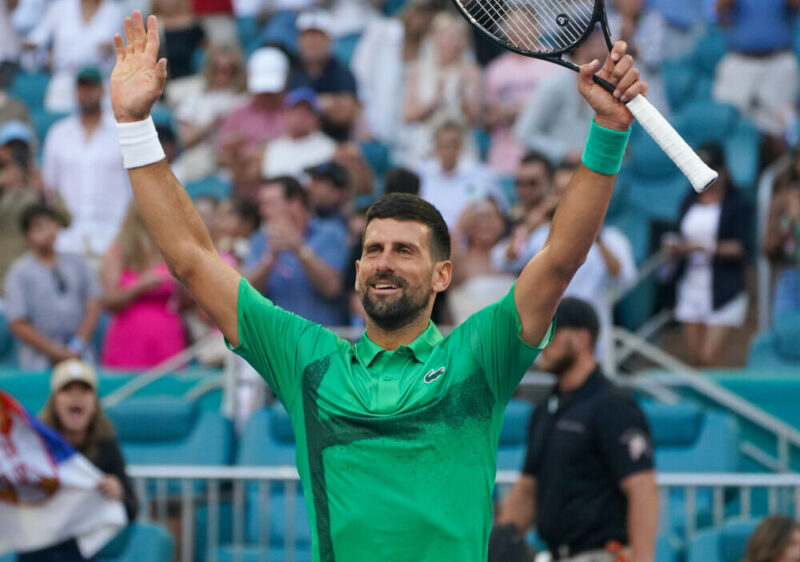
Tennis professionals get paid to play the sport they love, but how exactly do they earn their income?
While top stars can earn millions, the reality is more nuanced. From prize money and sponsorships to coaching and business ventures, tennis players rely on multiple income streams throughout their careers.
In this guide, we’ll break down how tennis players make money, how much they can realistically earn, and what it takes to succeed financially in the sport.
How Do Tennis Pros Earn Money?
Professional tennis players generate income from a variety of sources, both on and off the court. While prize money is the most visible, it’s only one piece of the puzzle.
Here are the main ways players make money:
- Tournament prize money
- Sponsorships and endorsements
- Appearance fees
- Coaching and training
- Media work and business ventures
Many players also supplement their income by coaching juniors, freelancing as instructors, or launching their own businesses.
How Much Money Can Tennis Players Earn?
With global icons like Novak Djokovic and Rafael Nadal dominating headlines, it’s easy to assume all professional tennis players earn massive fortunes.
However, the reality is very different.
Only a small percentage of players earn millions. Most professionals, especially those ranked outside the top 100, earn far less and must carefully manage travel costs, coaching fees, and tournament expenses.
Prize money varies significantly depending on:
- Tournament level (Grand Slams vs. smaller events)
- Round reached
- Player ranking
While elite players can earn millions annually, many others earn modest incomes or even struggle to break even.
Contract Deals and Rankings
A player’s earning potential is closely tied to their ranking on the ATP Tour.
Rankings are based on a points system awarded for performance in tournaments. The higher a player’s ranking:
- The more tournaments they can enter
- The higher their prize money potential
- The more attractive they become to sponsors
Top-ranked players often secure lucrative endorsement deals, while lower-ranked players may receive little to no sponsorship support.
Taxes and Expenses
Earnings in tennis aren’t as straightforward as they may seem. Players must account for:
- Income taxes (which vary by country)
- Travel and accommodation costs
- Coaching and support staff salaries
- Equipment and training expenses
Because players compete globally, they may also be taxed in multiple countries, making financial management a key part of a professional tennis career.
Main Sources of Income
1. Sponsorship Deals
Sponsors pay players to represent their brand during matches and public appearances. This can include logos on clothing, rackets, and equipment.
Major brands in tennis include:
- Wilson Sporting Goods
- Head
- Rolex
2. Endorsements
Endorsements often go beyond on-court sponsorships. Players may appear in advertisements, campaigns, or promotional events.
Top brands include:
- Nike
- Adidas
- Babolat
Big Earnings from Endorsements
Some players earn more from endorsements than from playing.
For example, Roger Federer has long been one of the highest-paid athletes in the world thanks to partnerships with global brands. His landmark deal with Uniqlo reportedly exceeded $300 million.
Other players like Kei Nishikori and Milos Raonic have also built strong endorsement portfolios.
Making Money Off the Court
Not all tennis income comes from competing.
Players can also earn money through:
- Coaching (full-time or freelance)
- Writing books or creating online content
- Commentating or analyzing matches on TV
- Running academies or tennis-related businesses
Coaching, in particular, is one of the most accessible and stable income sources for current and former players.
Conclusion
Tennis offers multiple pathways to earn money, but it’s far from easy.
While elite players can earn millions, most professionals must combine prize money, sponsorships, and side ventures to sustain their careers. Success requires not only talent, but also discipline, resilience, and smart financial planning.
For those willing to put in the work, however, tennis can be both a rewarding passion and a viable career.